

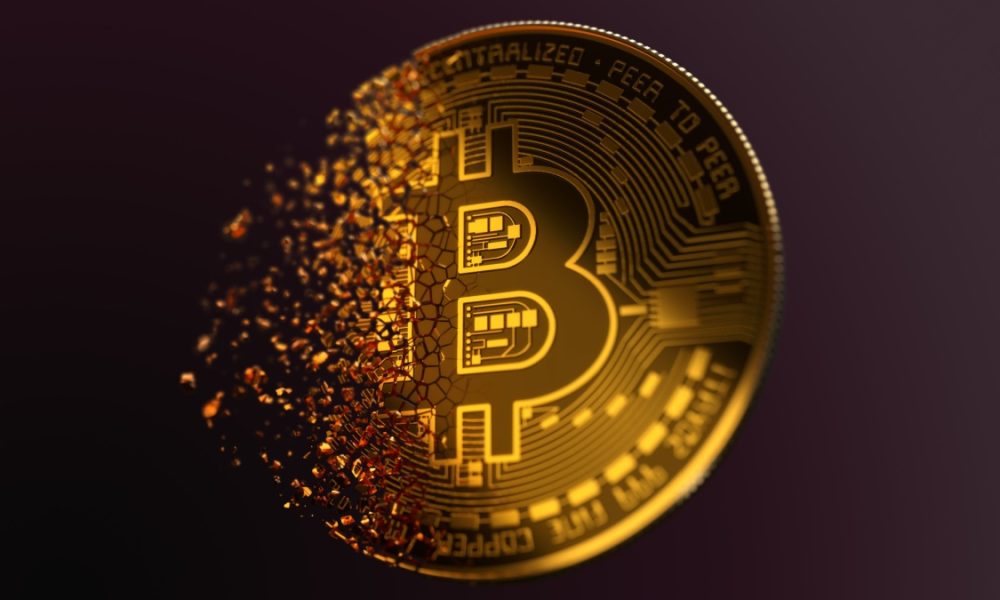
You’ve heard of crypto, right? Bitcoin, Ethereum, all that stuff. But then someone says “DeFi” and you’re like… wait, what? Sounds hard. But don’t worry, I’m here to help. Let’s make it easy so even your grandma can get it. What is Defi cryptocurrency?
DeFi: The Basics
DeFi means Decentralized Finance. It’s a big deal. It’s a new way to manage cash without banks, brokers, or anyone else taking money. You know banks love to charge fees? Well, DeFi says, “No thanks!”
Instead of banks, DeFi uses blockchain. This is the tech behind Bitcoin and Ethereum. It lets folks send, borrow, lend, and trade cash right away. No banks, no forms, no long waits for deals. It’s just you, your crypto wallet, and the web. Pretty neat, huh?
So, How Does It Work?
Let’s keep it clear. DeFi runs on smart contracts. These are like self-run agreements made in code. No people in the middle. You agree on some points, and boom, the contract does its job.
For instance, say you want to lend your crypto and earn interest. Normally, you’d go to a bank, but with DeFi, you just put your coins in a smart contract, and it starts making you money right away. Plus, you don’t need to trust a stranger in a suit—everything is clear on the blockchain.
Why Is DeFi So Popular?
People love DeFi for many reasons:
- No Middlemen – Forget banks or other people. Just you and the blockchain.
- Open to All – No need for a credit check or a bank account. If you have the internet, you’re in.
- Fast & Cheap Deals – No long waits for a bank transfer, and no high fees.
- Earning Chances – You can lend your crypto, stake it, or give liquidity and earn money from your assets instead of just holding them.
Sounds great, right? But hold on—before you put all your savings into DeFi, let’s chat about risks.
The Dark Side of DeFi 😬
Not to scare you, but DeFi has some downsides. Here are a few to keep in mind:
- Smart Contracts Can Fail
Just because something is coded doesn’t mean it’s safe. Hackers can find gaps and drain the funds. It’s happened before, and it may happen again.
- No Customer Support
Got an issue with your bank? You call them. Got an issue with DeFi? Good luck. No one to help if you mess up or get scammed.
- High Volatility
Crypto prices can go up and down fast. You could make a lot, but you could lose it all too. Just remember—not to bet your rent on DeFi.
- Scams & Rug Pulls
Some projects look real but are scams waiting to trap you. The developers take the cash and vanish. Poof, gone.
Popular DeFi Applications

Now that you get what DeFi is, let’s look at some well-known platforms people use:
Uniswap – A place to trade crypto without signing up.
Aave – A site to lend and borrow crypto with set interest rates.
Compound – Another lending/borrowing site, but with more features.
Curve Finance – Good for swapping stablecoins with low fees.
MakerDAO – Lets you make a stablecoin (DAI) tied to the dollar.
There are many more, but these are some of the big ones in the DeFi space.
Should You Get Into DeFi?
Well, that’s up to you. If you like the idea of financial freedom, no middlemen, and earning extra income with crypto, DeFi might be right for you. But if you’re not okay with risk, hacking fears, and price drops, you might want to stick to regular investments.
If you do want to dive in, start small. Do your homework. And, for the love of all things crypto, never put in more than you can afford to lose. Seriously. DeFi is fun, but it’s still like the Wild West out there.
Final Thoughts
So, what is DeFi cryptocurrency? In short, it’s a way to manage cash without banks or middlemen, using blockchain and smart contracts. It’s quick, open to everyone, and full of chances to make (or lose) money.
If you like crypto and enjoy the idea of controlling your own cash, DeFi is worth a look. Just be careful, do your research, and don’t rush into random projects.
That’s it! Hope this helps clear things up. Now, go show your friends what you’ve learned about DeFi—or, you know, just keep your savings account. Your choice. 😆
