

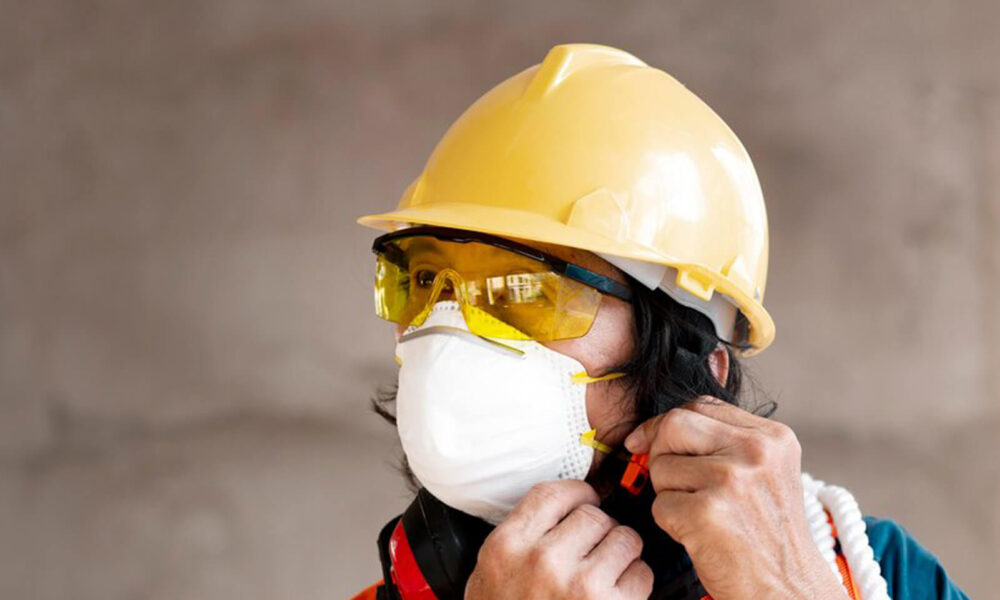
Many jobs in Vancouver involve regular exposure to hazardous airborne substances. In these settings, respirators serve as a critical line of defense against dust, fumes, and other contaminants. But for a respirator to work effectively, it must fit the wearer’s face properly. That’s why fit testing plays a vital role.
Respirator fit testing in Vancouver, WA, follows specific standards to evaluate whether the equipment seals correctly. It applies to workplaces that involve exposure to dust, chemicals, fumes, or biohazards. The procedure ensures the selected respirator suits the user’s facial structure. It also confirms that employees know how to wear it correctly during their duties.
Why Is Fit Testing Required Before Using a Respirator?
Fit testing ensures the mask performs as designed without leakage. Workers rely on it for protection during routine tasks in various industries. A test checks that the respirator forms a proper seal across the face. This helps confirm that contaminated air will not bypass the filter.
Testing is not optional in many workplaces. Employers must follow health and safety requirements specific to their region. Employees must also be trained on mask use and maintenance. Having fit test records helps show compliance and commitment to safety standards.
Who Needs Fit Testing and How Often Should It Be Done?
Workers in Vancouver who wear tight-fitting respirators during their shifts are the primary group needing testing. These roles can include those in healthcare, manufacturing, or demolition work. The testing ensures each individual has a mask that fits them properly. Fit issues can arise from facial hair, dental changes, or facial injuries.
Fit testing is repeated every twelve months or sooner if changes occur. Mask models can differ slightly in shape, so testing is repeated when switching equipment. Regulations do not allow guesswork in fit. Every result must be documented for future reference.
What Types of Fit Tests Are Used and How Do They Work?
There are two types of fit testing: qualitative and quantitative. Qualitative testing relies on the wearer’s ability to detect test substances. The person performs movements like talking or turning their head while wearing the respirator.
Quantitative testing measures actual particle leakage using a device. The mask is connected to a machine that calculates a fit factor. A higher number means a better seal between the mask and the face. The method used depends on the work environment and the respirator type.
What Steps Are Involved During a Standard Fit Test?
The process includes checking medical clearance and selecting a respirator. Then, the person wears the mask while performing a set of movements. These help confirm that the respirator maintains its seal during activity. The whole session often takes less than 30 minutes.
A few steps workers in Vancouver should follow before testing include:
- Avoiding smoking or gum for at least 30 minutes prior
- Wearing the mask style used on the job
- Cleaning the face of oils or lotions
- Following instructions exactly during the test
- Asking questions if unsure about any step
Reliable Fit Testing Support Backed by Experience
Many employers prefer respirator fit testing in Vancouver, WA, that stays clear, organized, and efficient. Structured scheduling, clear instructions, and knowledgeable staff help reduce disruptions during testing days. Workers benefit from straightforward explanations and calm guidance throughout the process. Proper coordination keeps testing sessions smooth and predictable.
A reliable provider focuses on accuracy, consistency, and practical workplace needs. Flexible booking options and experienced technicians add real value for busy teams. Clear communication before and after testing supports better planning. Reviewing their services can help decision makers choose the right support.
