

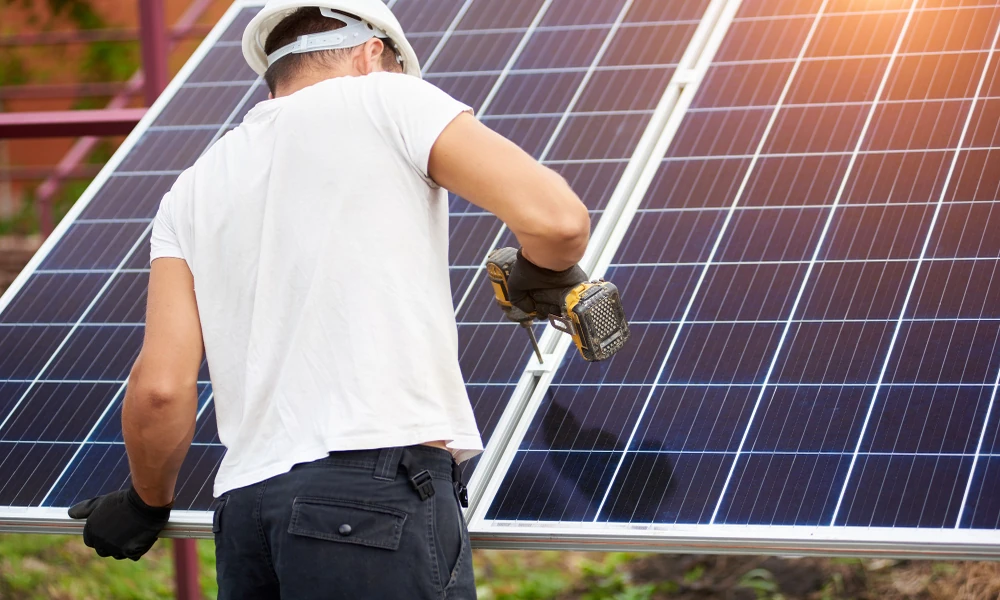
The most expensive part of going solar in Los Angeles isn’t the hardware. It’s the four months you spend waiting for a company that ran out of panels in July and forgot to tell you until October. I’ve seen it happen to neighbors in Pasadena and Riverside alike: they sign a contract in spring, watch their electric bill climb all summer, and finally get a working system in time for the lowest-production weeks of the year. That delay is the hidden tax on this whole process, and it’s almost always caused by one thing: the installer didn’t have the equipment in stock.
So before you sign anything, you need a plan that filters out the companies that look great on a proposal PDF but can’t actually execute. The framework I recommend is what I call the Three Stock Check: verify that the installer has physical inventory in their warehouse, licensed installers on their own payroll (not subcontracted out to whoever’s available), and a local service team that can come back when something glitches on a Tuesday afternoon in August.
Companies that pass all three, like the team behind solar services in Southern California, tend to be the ones that show up with panels on the truck instead of a promise to order them later.
Here’s why the stock piece matters more than most homeowners realize. Solar panels are heavy, fragile, and expensive to ship, which means most installers order per project. When supply chains tighten or a manufacturer discontinues a model, your project freezes. A contractor with a stocked warehouse sidesteps that entirely. I’d rather pay a slightly higher per-watt rate to a company that can start next week than save a few hundred bucks and wait until fall.
What “Net Metering” Actually Means for Your Bill
You’ll hear the phrase net metering in every solar pitch, and it’s worth understanding the mechanics before you get talked into anything. When your panels produce more electricity than your house is using at that moment, the excess flows back to the grid. Your utility credits you for that power, and those credits offset what you draw at night or on cloudy days. It’s the reason a well-sized system can shrink your bill to nearly nothing instead of just cutting it in half.
The Department of Energy maintains plain-language resources that explain how this interconnection works and what questions to ask your utility before installation. The details vary by utility and by your specific rate plan, so don’t assume the numbers a sales rep quotes you are universal. They aren’t.
How to Vet a Solar Installer in Four Steps
This is the part most articles skip because it’s not glamorous, but it’s where you’ll save the most money and the most headaches. Print this and take it to every sales meeting.
- Check the license. In California, solar installation requires a C-46 contractor license. Ask for the number and look it up yourself. A legitimate company will hand it over instantly.
- Ask about inventory. Specific question: “Do you have the panels and inverters for my system in your warehouse right now?” If the answer involves “we’ll order them once you sign,” you’re looking at a multi-month gap.
- Confirm who’s doing the work. Some companies sell the job and subcontract to a crew you’ll never meet again. Ask whether installers are employees. It matters when you need warranty service in year three.
- Get the maintenance terms in writing. Cleaning, monitoring, and inverter replacement should be spelled out. A handshake promise isn’t worth much when panels get dusty.
I’d add a fifth if you’re in an older home: ask about roof condition first. Installing panels on a roof that needs replacing in two years means paying twice for the same labor. A good contractor will tell you this before you ask.
Why Local Beats National in This Market
National solar brands run on volume and standardized processes. That works fine when everything goes according to plan. The problem is that nothing ever goes exactly according to plan, and when it doesn’t, you’re calling a 1-800 number and waiting for a ticket to route to a regional manager who has forty other open tickets ahead of yours.
A local company with a physical address in your county operates differently. They know the permitting office. They know which inspector is strict about conduit placement. They can send a technician to your house the same week you call, not the same quarter. According to the Solar Energy Industries Association, residential solar has grown into a major share of new American electricity capacity in recent years, and much of that growth is driven by regional installers who understand their specific markets. That local knowledge compounds over the life of your system.
What Actually Shows Up on Your Roof
Panel technology has matured to the point where the differences between major brands are measured in small percentage points of efficiency, not dramatic leaps. What matters more is how the system is sized for your house, your roof orientation, and your actual usage pattern.
Researchers at the National Renewable Energy Laboratory publish baseline data on photovoltaic performance that’s worth skimming if you want to understand what “high efficiency” really means in practice.
A panel rated at 21% versus 19% efficiency matters less than whether your installer correctly calculated how many panels fit on the south-facing section of your roof. An extra panel beats a marginally more efficient one almost every time, and it usually costs less.
The Three Questions That Screen Out Bad Contractors
If you only remember one thing from this article, make it these three questions. Ask them in this order and watch how the sales rep reacts.
- “Can you start within two weeks?”
- “Are your installers employees or subcontractors?”
- “What happens if a panel fails in year four?”
Solid answers come quickly. Vague answers, deflections, and “that depends” without specifics are your signal to walk. The companies worth hiring have heard these questions a hundred times and have clean answers ready.
Financing Without Getting Burned
Solar financing options range from cash purchase to leases to power purchase agreements, and each one shifts risk in a different direction. A cash purchase gives you the best long-term return but requires upfront capital. A lease lowers your barrier to entry but caps your savings because the leasing company keeps the tax credit. A PPA splits the difference.
My honest take: if you plan to stay in your home for more than seven years and can access the capital, buy the system outright. If you’re likely to move in three years, a lease might make more sense because transferring it is simpler than selling a financed system to a buyer who doesn’t want the obligation. The right answer depends entirely on your timeline, and any installer who pushes one option without asking about your plans isn’t listening.
Getting Started
The homeowners who end up happiest with their solar systems aren’t the ones who found the cheapest quote. They’re the ones who asked the boring questions early, verified inventory and licensing before signing, and picked a company they could actually call when something needed attention.
Southern California has more solar installers than almost anywhere else in the country, which cuts both ways: plenty of options, plenty of bad ones mixed in. Use the Three Stock Check, ask the three screening questions, and don’t let a deadline pressure you into a decision you’ll regret for the next two decades. Your roof will still be there next month. The right installer might not be, so start the vetting process this week and give yourself room to choose carefully.
