

You feel it when you sip water, bite down, or even breathe in through your mouth. One tooth starts acting different, and suddenly your whole day narrows around it. Pain like that gets your attention fast, especially when you do not know whether it is a small irritation or the start of something that needs urgent care, such as root canal treatment in San Mateo.
That is where cold testing comes in. When an endodontist is trying to find the source of tooth pain, a cold test helps check how the nerve inside the tooth responds. It is simple, quick, and often very useful, but it is not used in isolation. The result has to match your symptoms, your exam, and your X rays. In other words, cold testing for tooth pain is one piece of the diagnostic picture, and a very helpful one when used the right way.
Cold testing helps endodontists narrow down the cause of tooth pain
An endodontist focuses on problems inside the tooth, especially the pulp, which contains the nerve and blood supply. When that tissue becomes inflamed or starts to die, the pain can be sharp, lingering, dull, throbbing, or hard to pinpoint. You may swear the pain is coming from one tooth, only to learn the tooth next to it is the real problem.
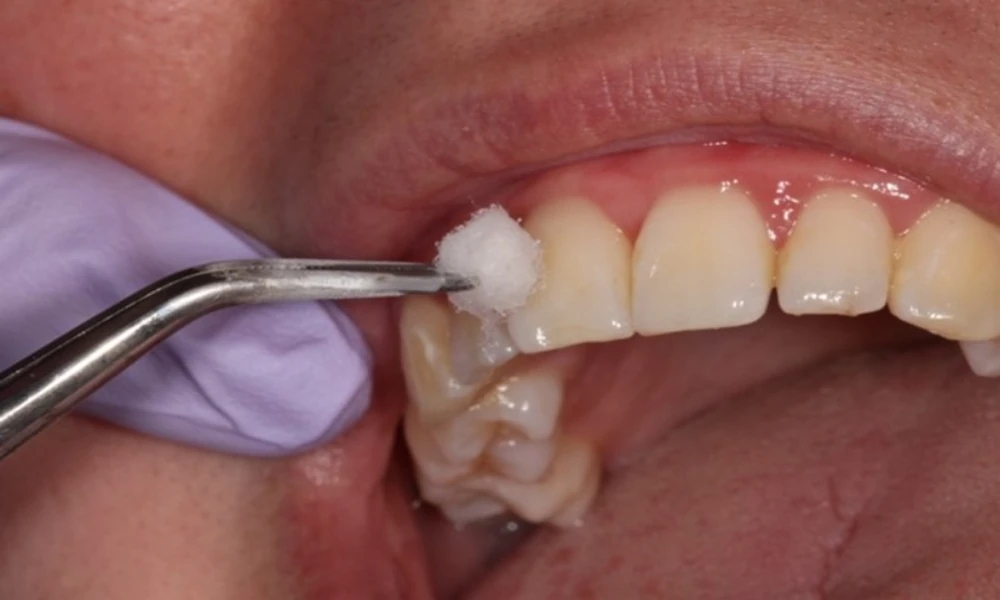
A cold test gives the endodontist a controlled way to stimulate the tooth and observe what happens. A cold material is placed on the tooth surface for a moment, and you report what you feel. The response matters. A quick sensation that disappears right away can point to a healthier nerve response. Pain that lingers after the cold is removed often suggests the pulp is inflamed in a way that may not heal on its own. No response at all can suggest the pulp is no longer alive, though that result still has to be confirmed with other findings.
This is why a painful tooth exam is rarely based on one symptom alone. A tooth can hurt because of decay, a cracked cusp, trauma, gum problems, grinding, or referred pain from another area. Cold testing helps sort through those possibilities by showing how the pulp reacts under a standard stimulus.
Cold test results matter because tooth pain is often misleading
You might have one tooth that feels unbearable, yet the nerve inside is still alive and only irritated. You might also have a tooth with very little pain, even though the pulp is badly damaged. That mismatch is one reason people get confused, and why self diagnosis goes sideways so often.
Endodontists look at the quality of the response, not just whether you felt something. Did the cold cause a mild sensation or a strong jolt? Did it stop right away or hang on for 10 seconds, 30 seconds, longer? Was the pain easy to localize? Those details help separate reversible irritation from deeper pulp disease.
Research supports the value of cold testing when diagnosing pulpal conditions. A review in the National Library of Medicine discusses pulp sensibility testing and diagnostic accuracy, including the role of cold tests in evaluating pulp status. Another published review on pulp testing methods examines how these tests are used alongside other clinical findings rather than as stand alone proof.
That last part matters. If a tooth has a crown, recent trauma, calcified canals, or extensive restorations, the response may be weaker or less predictable. Young teeth and older teeth can also behave differently. A skilled endodontist accounts for that instead of forcing the result to fit a guess.
Endodontic cold testing works best when paired with the full exam
Endodontic cold testing is useful because it is fast and noninvasive, but it is only one tool. The endodontist will often compare the painful tooth to nearby teeth, tap on the tooth, check bite pressure, review imaging, and ask about the pattern of pain. A tooth that hurts with cold and lingers afterward tells one story. A tooth that feels nothing to cold but hurts when tapped may tell another.
That full exam protects you from the two big mistakes people fear most. The first is treating the wrong tooth. The second is delaying care because the pain comes and goes, which can happen even when the nerve is in real trouble. If the pulp is irreversibly inflamed or necrotic, waiting can lead to swelling, infection, and a more stressful treatment path.
Home guesswork and professional testing are not the same thing
| Approach | What Happens | Main Risk | What an Endodontist Adds |
|---|---|---|---|
| Ice water at home | You notice sensitivity or pain after drinking something cold | Pain may come from exposed root surfaces, cracks, fillings, or a different tooth | Controlled testing on individual teeth with comparison teeth and exam findings |
| Ignoring brief but repeated pain | You wait because the discomfort fades between episodes | Inflammation can progress until pain becomes severe or infection develops | Early diagnosis before the problem becomes harder and more expensive to treat |
| Assuming no response means no problem | A tooth does not seem sensitive to cold | Dead pulp, calcification, trauma history, or restoration can affect the result | Imaging, percussion, bite tests, and pulp testing together |
The difference is precision. At home, you are reacting to a symptom in real life, which is understandable but messy. In the chair, an endodontist isolates variables and compares teeth in a way that gives the result meaning.
Three steps you can take when a tooth reacts to cold
1. Pay attention to the pattern. Notice whether the pain is brief or lingering, whether it wakes you up, and whether heat, biting, or sweets also trigger it. Those details help identify whether this is simple sensitivity or a pulp problem.
2. Do not test the tooth over and over. Repeatedly exposing a painful tooth to ice or very cold drinks can aggravate an already inflamed nerve. One or two observations are enough. After that, get it checked.
3. Book an evaluation with a root canal specialist. If the pain is sharp, lingering, spontaneous, or tied to swelling, do not wait for it to become constant. A proper exam can show whether the nerve is irritated, infected, or still healthy enough to monitor.
Clear answers reduce stress and help you protect the tooth
When a tooth starts hurting, the uncertainty is often as hard as the pain. Cold testing gives endodontists a practical way to sort out what the nerve is doing and whether the tooth is moving toward recovery or toward treatment. It is quick, targeted, and most useful when combined with a careful exam.
If you are dealing with cold sensitivity, lingering pain, or a tooth that suddenly feels different, schedule an evaluation with an endodontist. Getting a clear diagnosis early can save you pain, time, and a lot of second guessing.
