

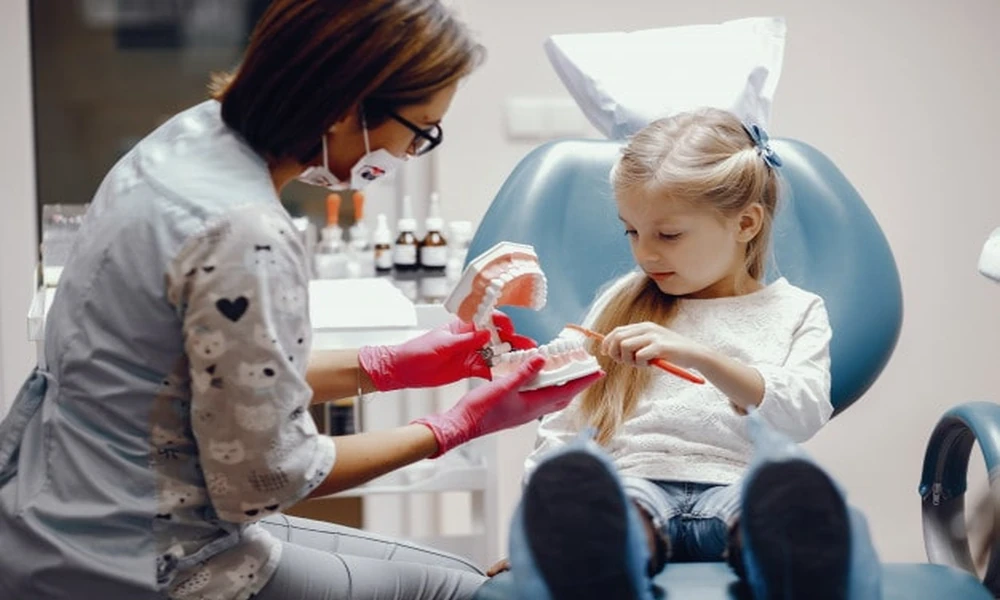
You may already be carrying a lot before the appointment even starts. Maybe your child struggles with new places, loud sounds, touch, or changes in routine. Maybe brushing at home can turn into a standoff, and the thought of a visit to a Fairfield dentist brings a knot to your stomach. That stress is real, and it often has less to do with the teeth themselves and more to do with whether your child will feel safe, understood, and able to get through the visit without fear.
Supporting Children With Special Needs Through Family Dentistry means more than cleaning teeth. It means building a dental routine around sensory needs, communication differences, medical history, behavior patterns, and trust. A good family dentist helps your child get care in a setting that respects those needs, while also helping you prevent pain, missed problems, and rushed treatment later.
Family dentistry can reduce stress for children with special needs
Many children with developmental, physical, or behavioral conditions need a different pace in the dental chair. They may need extra time to get used to the room, clear and simple language, breaks during treatment, or a parent nearby for reassurance. According to the National Institute of Dental and Craniofacial Research, children with developmental disabilities can face added oral health challenges and may need tailored support during dental care. You can read more from the NIDCR on developmental disabilities and oral health.
When those needs are not recognized, things can go sideways fast. A child who is overwhelmed may refuse to open their mouth, cry, gag, push the provider away, or leave the visit more frightened than before. Parents often blame themselves after a hard appointment, even when the real problem was a setting that moved too fast or expected a child to cope without support.
That matters because delayed care has a cost. Small cavities become painful infections. Gum irritation gets worse. Oral pain can also show up as sleep problems, irritability, food refusal, or behavior changes that do not look dental at first. In children who already have communication challenges, discomfort is easy to miss.
Dental care for children with special needs works better when the office plans ahead. That can include reviewing medications, understanding seizure history, discussing sensory triggers, using visual supports, scheduling at quieter times, and breaking care into shorter visits. A family dentist can also coordinate with your child’s pediatrician or specialists when needed.
Daily home care often feels harder than people realize
Home routines are where many families get stuck. A child may resist toothpaste texture, dislike the feel of bristles, clamp down, or need help long past the age when other children brush alone. Some children eat limited diets or prefer soft foods, which can raise cavity risk. Others take medications that cause dry mouth or contain sugar. MedlinePlus explains common causes of tooth decay in children and why steady prevention matters. See this MedlinePlus overview of tooth decay in children.
The hard part is that standard advice often sounds simple but does not fit your day. “Brush twice a day” is easy to say. It is different when your child panics at the sink or cannot tolerate mint flavor. You are not failing if you have to adapt. You are parenting the child in front of you.
Special needs family dental care should include practical ideas you can actually use at home, such as a smaller brush head, unflavored toothpaste, hand-over-hand guidance, a timer, a picture schedule, or brushing in a different room if the bathroom itself is a trigger. The goal is not a perfect routine by tomorrow. The goal is a routine your child can learn to tolerate and, over time, trust.
Prevention and delayed treatment lead to very different outcomes
| Approach | What it often looks like | Likely result |
|---|---|---|
| Regular preventive visits | Shorter appointments, gradual desensitization, early checks, parent planning with the dentist | Less fear, fewer emergencies, smaller treatment needs |
| Care only when pain appears | Urgent visit after swelling, sleepless nights, food refusal, or visible decay | More stress, more invasive treatment, harder recovery |
| Flexible home care support | Adaptive tools, sensory aware routines, caregiver assistance, repeated practice | Better plaque control and more tolerance over time |
| One size fits all routines | Forcing brushing style, ignoring triggers, expecting immediate cooperation | More resistance, shutdowns, and skipped care |
The Centers for Disease Control and Prevention also shares practical guidance for protecting children’s teeth, including daily brushing with fluoride toothpaste, flossing when teeth touch, and limiting sugary drinks. Their oral health tips for children are a useful baseline, especially when you need simple prevention steps to build on.
Small changes before the appointment can make family dentist visits easier
1. Build a short pre-visit plan. Tell the dental office what helps and what triggers distress. Share if your child needs a quiet room, extra time, visual prompts, or a slower exam. Mention medical conditions, medications, and sensory issues before the visit, not while your child is already overwhelmed in the chair.
2. Practice the routine in pieces. You do not need to rehearse the full appointment at once. Start with opening the mouth for five seconds, counting teeth in a mirror, or letting a toothbrush touch the lips and front teeth. If your child responds well to pictures or routines, create a simple sequence for check-in, sitting in the chair, opening wide, and going home.
3. Focus on prevention that fits your child. Ask the family dentist which tools match your child’s needs. That may mean fluoride varnish, a softer brush, flavor-free toothpaste, or a modified brushing position. If mornings are chaotic, choose the time of day when your child is most regulated, even if that means doing the most thorough brushing at night.
Steady support from a family dentist can protect both oral health and peace at home
The right dental relationship can ease more than cavities. It can reduce battles at home, catch problems before they turn painful, and help your child build confidence one visit at a time. Progress may be slow, and it still counts. A child who tolerates the room today may accept the chair next time and the exam after that.
If your family has been putting off dental care because it feels too hard, you are not alone, and you do not need to wait for things to get worse. A thoughtful family dentist can help you create a plan that respects your child’s needs and protects their smile.
