

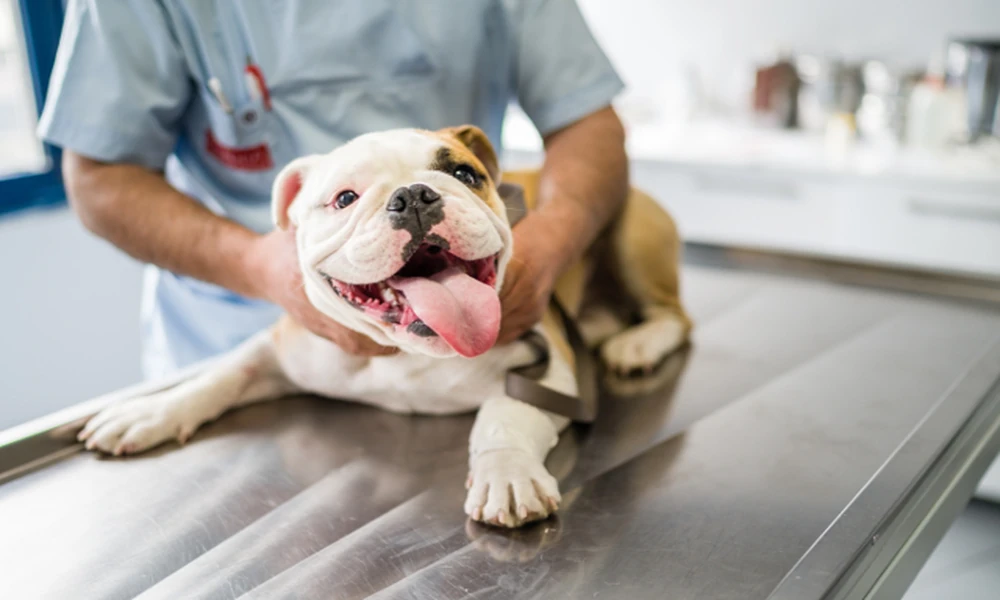
You noticed your rabbit’s chin is wet, maybe sticky, maybe matted, and now you are watching every bite of food and every sip of water. That kind of small change can feel big fast with rabbits, because they often hide illness until something is clearly off. A wet chin can come from harmless messiness, but it can also point to dental pain, drooling, infection, or trouble eating and grooming. If you bring your rabbit to an animal hospital for comprehensive pet healthcare in Rancho Cucamonga, the exam usually focuses on the mouth, teeth, skin, hydration, and signs of deeper illness.
A rabbit with a damp chin is not a symptom to brush off for days and hope it clears on its own. Saliva on the chin can irritate the skin, and the reason behind it may be uncomfortable or serious. The good news is that a vet can usually narrow the cause by looking at a few key areas, and that gives you a clearer path forward instead of guessing at home.
A Wet Chin in a Rabbit Often Points to More Than Water
Some rabbits are simply messy drinkers. They dunk their chin in a bowl, or they leave the water bottle with a few drops clinging to the fur. That usually dries quickly and does not come with other changes. The concern starts when the chin stays wet, the fur smells sour, the skin turns red, or your rabbit is eating less, dropping food, or acting quieter than usual.
One common cause is dental disease. Rabbit teeth grow continuously, and when the bite is off, the teeth can overgrow or form sharp points. That can make chewing painful and lead to drooling, which owners often first notice as a wet chin or dewlap. A rabbit may still approach food and seem hungry, then take a bite and stop. You might also see smaller droppings, weight loss, or less interest in hay.
Other causes exist. Mouth injury, an abscess, a foreign object stuck in the mouth, skin infection under the chin, or even eye and nasal issues that drain onto the face can create similar signs. Poor grooming from obesity, arthritis, or general illness can make moisture and debris build up too. That is why a rabbit with a wet chin usually needs a full look, not just a quick glance at the fur.
The University of Connecticut Extension outlines routine animal health checks for rabbits and other small mammals, and those same checkpoints often matter here. Appetite, droppings, body condition, coat quality, and behavior all help a veterinarian connect the wet chin to the bigger picture.
What the Animal Hospital May Check During the Exam
The first part is often the history. When did the chin become wet. Has your rabbit changed eating habits. Is the rabbit drinking more, dropping pellets, pawing at the mouth, or losing weight. These details matter because rabbits can look stable right up until they are not.
The physical exam usually starts with the obvious area. The vet may check the chin, lips, dewlap, and chest for saliva scald, hair loss, odor, redness, or infection. The mouth gets close attention. Front teeth are easier to see, but the cheek teeth deeper in the mouth are often where trouble hides. Some rabbits need sedation for a proper dental exam because the back teeth are hard to assess safely in an awake patient.
The vet may also feel the jaw and face for swelling, heat, or asymmetry that could suggest an abscess or tooth root problem. Weight and hydration are often checked, because rabbits with painful mouths may eat and drink less than they need. If the chin is wet from discharge rather than saliva, the eyes and nose may be examined too.
X rays are sometimes recommended when the cause is not obvious or dental disease is suspected below the gum line. That can reveal elongated tooth roots, jaw changes, or abscesses that a surface exam cannot show. Nutrition also comes into the conversation because diet plays a large role in dental wear and gut health. North Carolina State University offers a helpful guide on caring for your pet rabbit, including the role of hay in keeping teeth and digestion on track.
Home Observation Versus an Animal Hospital Exam
| What You Notice at Home | What It May Mean | What the Animal Hospital May Do |
|---|---|---|
| Chin is briefly wet after drinking, rabbit acts normal | Messy drinking is possible | Monitor unless it becomes frequent or other symptoms appear |
| Constant damp chin, matted fur, bad odor | Drooling, skin irritation, infection | Skin exam, mouth exam, treatment for scald or infection |
| Eating less hay, dropping food, smaller droppings | Dental pain or oral disease | Detailed dental exam, pain relief, possible imaging |
| Weight loss or quieter behavior | Illness has likely been building | Full exam, hydration check, broader diagnostic workup |
| Swelling along the jaw or face | Abscess, tooth root issue, trauma | Palpation, imaging, treatment plan that may include dental care |
The Risk of Waiting Too Long With Rabbit Drooling
Rabbit drooling and wet chin problems can escalate quickly because rabbits need to keep eating to keep their gut moving. If mouth pain cuts food intake, gastrointestinal stasis can follow, and that becomes a different level of emergency. What starts as a damp patch under the mouth can turn into skin breakdown, infection, dehydration, and a rabbit that is too weak to hide how bad it feels.
There is also the cost issue that many owners quietly worry about. Waiting sometimes feels cheaper in the moment, but advanced dental disease, abscess treatment, and supportive care often cost more than an earlier exam. More importantly, your rabbit suffers longer. A prompt visit for a wet chin in a rabbit can catch a problem before it spreads beyond the mouth.
Three Steps You Can Take Right Away
1. Check eating, droppings, and behavior today. Watch whether your rabbit is eating hay, finishing greens, and producing normal droppings. A rabbit that stops eating, has very small droppings, or seems hunched needs urgent veterinary attention.
2. Keep the chin clean and dry without scrubbing. Gently blot moisture if your rabbit allows it. Do not soak the area or apply random creams from your cabinet. Irritated skin under the chin can worsen fast, and many products are not safe if licked.
3. Schedule an animal hospital visit if the wetness keeps returning. If the chin stays wet, the fur is sticky, or your rabbit shows any change in appetite, grooming, or energy, book an exam. Ask whether a dental evaluation is likely, especially if your rabbit is older or has a history of selective eating.
Early Care Gives Your Rabbit the Best Chance to Recover Well
You are not overreacting by paying attention to a wet chin. With rabbits, small signs often carry the most weight. A simple exam can tell the difference between a sloppy drinker and a rabbit dealing with pain. If the damp fur keeps coming back, or your rabbit is eating less or acting off, contact an animal hospital and have it checked soon. Quick action is often the kindest move you can make.
