

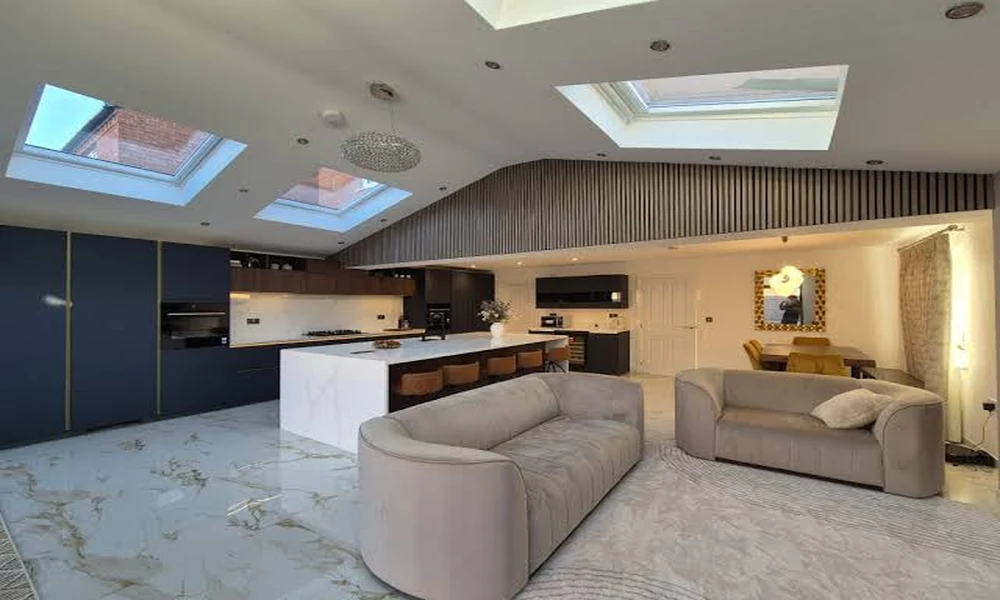
The mark of a truly extraordinary home is not found in its looks alone or its efficiency, but in the delicate interplay between beauty and practicality. For architects in cities like Montreal and Toronto, this balance is more than a design challenge, it is a philosophy that shapes every space people call home.
What Defines the Balance Between Aesthetics and Utility in Residential Architecture?
Great residential design is more than just curb appeal or clever layouts. Instead, it is the fusion of visual charm with intuitive function. This means creating spaces that delight the eye while making daily living comfortable, safe, and effortless. The question is not whether to prioritize form or function, but how to braid the two so closely that neither can be separated from the other.
How Do Architects Prioritize Visual Appeal Without Sacrificing Functionality?
Designers start by listening, gathering insights about how clients live, what inspires them, and the problems they need to solve. From there, aesthetic vision is filtered through practical constraints: sunlight, spatial flow, climate, and even future adaptability. The most inspiring homes often use restraint, letting functional choices, like floor plan or window placement, become integral to the overall beauty.
Why Is This Balance Crucial in Modern Residential Design?
Today’s homeowners want spaces that evoke emotion and suit evolving lifestyles. A beautiful space that is uncomfortable or difficult to use quickly loses its charm, while a purely utilitarian home can feel cold or impersonal. The sweet spot merges elegance with ease. In urban contexts, where every square foot counts, the pressure to harmonize appearance with utility becomes even sharper.
How Does Stendel + Reich Approach Residential Architecture Differently?
What sets a Stendel + Reich architect apart is their methodical yet creative approach. Their portfolio, spanning Montreal and Toronto, reveals a deep respect for both context and client.
What Are Their Signature Design Philosophies?
Stendel + Reich’s work is grounded in the belief that lasting design must serve both people and place. This means carefully considering the rhythms of daily life, integrating flexible spaces, and using materials that strike a chord visually while standing up to everyday demands.
How Do Location and Client Needs Influence Their Designs in Montreal and Toronto?
Montreal’s historic neighborhoods and Toronto’s dynamic skyline each present unique challenges and opportunities. The firm tailors solutions that speak to local culture, climate, and even municipal codes, while never losing sight of the homeowner’s vision. Whether it’s maximizing natural light in a dense urban environment or ensuring privacy in an open-plan condo, every detail is purposeful.
Which Architectural Elements Enhance Both Beauty and Practicality?
Certain choices consistently bridge the gap between style and utility.
How Do Materials and Textures Contribute to This Dual Goal?
High-quality, thoughtfully selected materials can elevate a home’s character and endure years of use. Warm woods, crisp stone, and innovative composites not only shape a home’s mood but also influence maintenance, comfort, and longevity.
What Role Does Natural Light Play in Function and Ambiance?
Sunlight does more than illuminate a room, it defines atmosphere, reduces energy needs, and improves wellbeing. Strategic window placement, skylights, and reflective surfaces all invite daylight to become a living design element.
How Are Space Planning and Flow Optimized for Everyday Living?
Logical floor plans, clear sightlines, and flexible zones make a home feel both spacious and inviting. Even small upgrades, like pocket doors or built-in storage, can transform how a space feels and functions.
How Do Sustainability and Technology Integrate Into Aesthetic and Functional Goals?
Environmentally conscious design is increasingly vital, pushing architects to consider both impact and innovation.
What Eco-Friendly Practices Does Stendel + Reich Employ?
Sustainable strategies include optimizing insulation, specifying low-impact materials, and integrating energy-efficient systems. These features often enhance the visual language of a home while lowering costs and carbon footprint.
How Does Smart Home Technology Influence Modern Residential Architecture?
Tech is no longer an afterthought. Built-in automation, adaptive lighting, and climate controls streamline daily routines. Integrated systems are discreet yet transformative, supporting both beauty and function.
What Challenges Arise When Balancing Aesthetics and Utility?
Every project brings a unique set of hurdles.
How Are Budget Constraints Managed Without Compromising Design Intent?
Smart prioritization is key. By focusing resources on high-impact areas and selecting materials for both value and longevity, architects ensure the end result aligns with both vision and reality.
How Do Regulatory Codes Impact Design Decisions?
Code compliance is non-negotiable. However, experienced architects see constraints as opportunities for creativity, using them to inspire unexpected yet practical solutions.
How Do Stendel + Reich’s Residential Projects Reflect This Balance?
Consider their work in action.
Case Study: A Montreal Residence Merging Elegance and Practicality
A historic home in Montreal required meticulous updates. By restoring original stonework and introducing modern, energy-efficient windows, the residence became a study in respecting tradition while embracing comfort.
Case Study: Toronto Condominium Focused on Livability and Style
In Toronto, a compact condo demanded solutions for light, privacy, and flow. Custom millwork, strategically placed mirrors, and sliding partitions created a sense of spaciousness without sacrificing visual cohesion or livability.
How Can Homeowners Collaborate With Architects to Achieve This Balance?
Partnership is essential from the start.
What Questions Should Clients Ask During the Design Process?
– How will my daily routines shape the design?
– Which materials best suit my lifestyle?
– Where can we maximize storage or flexibility?
How to Communicate Personal Style While Ensuring Functional Needs Are Met?
Open dialogue, clear inspiration images, and honest feedback empower architects to translate individual taste into practical, lasting solutions.
What Trends Are Shaping the Future of Residential Architecture in Terms of Aesthetics and Utility?
The field never stands still.
Emerging Design Innovations to Watch
Biophilic design, modular construction, and adaptive spaces are redefining both looks and functionality.
How Are Changing Lifestyles Redefining Residential Spaces?
Remote work, multigenerational living, and wellness-focused spaces are transforming expectations, prompting architects to push boundaries in balancing the beautiful with the useful.
In the end, the most remarkable residential architecture is a testament to the quiet power of balance, a harmony perfected by those who truly understand both art and life.
