

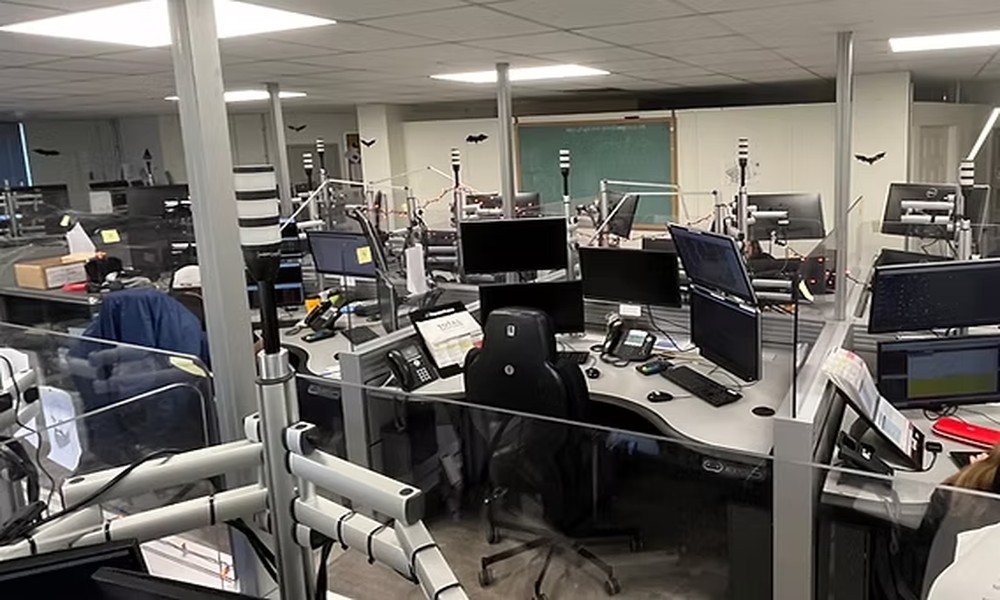
Public safety communication centers rely on well-planned workspaces to support daily operations. Communication professionals use multiple tools and systems throughout their shifts, making workstation design an important part of the overall environment. A properly equipped workstation helps create an organized space where essential resources remain accessible and easy to manage.
Workstation features can influence comfort, workspace organization, and technology accessibility. From ergonomic adjustments to integrated equipment support, each element contributes to a functional setup designed for mission-critical communication settings. The following article explores the key workstation features that support effective public safety communications.
Ergonomic Design That Supports Operator Comfort
Communication professionals spend long periods at their workstations, making comfort an essential consideration. Ergonomic features help create a workspace that accommodates different users and working preferences. Adjustable components allow personnel to position equipment in ways that suit their individual needs.
Modern emergency dispatcher workstations frequently include height-adjustable work surfaces and monitor adjustment systems. These features support a more personalized workspace while helping operators maintain comfortable working positions throughout their shifts. As a result, communication centers can create environments that promote productivity and user satisfaction.
Technology Integration for Organized Operations
Public safety communication centers rely on various tools and systems to manage daily responsibilities. Workstations should accommodate multiple monitors, communication equipment, and technology resources without creating clutter. A well-planned setup allows personnel to access important information from a centralized location.
Monitor support systems are especially valuable because they help position screens for better visibility and workspace organization. Clear access to information contributes to a more structured environment where communication professionals can focus on their responsibilities.
Cable management solutions also play an important role. Organized wiring helps maintain a neat appearance while supporting easier access to equipment when updates or adjustments are needed.
Practical Features That Enhance Workspace Functionality
Several workstation features contribute to a productive communication environment:
- Height-adjustable work surfaces
- Multi-monitor support systems
- Integrated cable management
- Accessible power and connectivity options
- Built-in storage solutions
- Durable construction materials
Together, these elements help create a workspace that supports organization, accessibility, and day-to-day functionality within communication centers.
Layout Elements That Improve Workspace Visibility
Workstation layout influences how personnel interact with technology and access information. Proper monitor placement helps users view multiple screens comfortably while maintaining an organized work area. This arrangement supports efficient access to communication tools and operational resources. Visibility is another important factor in communication environments.
A workstation design that promotes clear sightlines can help create a more connected workspace for team members. When equipment is positioned thoughtfully, the overall communication center can maintain a cleaner and more professional appearance. In addition, organized layouts make it easier to accommodate different workstation configurations. This flexibility supports the unique requirements of various communication facilities.
Durable Construction for Continuous Use
Public safety communication centers operate around the clock, which places constant demands on workplace equipment. For this reason, workstation durability remains a key consideration when selecting furniture and technology support systems.
High-quality materials help workstations maintain their appearance and functionality through years of regular use. Durable surfaces, sturdy frames, and reliable components contribute to long-term value while supporting daily operational needs.
Many agencies choose emergency dispatcher workstations that offer customizable configurations and durable construction. This combination allows communication centers to create workspaces that meet current requirements while supporting future adjustments to equipment and layout preferences.
Effective public safety communication depends on a workspace that supports organization, accessibility, and operator comfort. Features such as ergonomic adjustments, technology integration, durable construction, and practical storage solutions help create environments suited to mission-critical operations. By selecting workstation features that prioritize functionality and user needs, communication centers can maintain productive and well-organized workspaces for their personnel.
