

Mental health conditions such as depression and anxiety can affect daily life, relationships, and work performance. Many patients feel frustrated when traditional treatments do not provide enough improvement. Lack of progress can affect motivation and emotional stability. New treatment methods now provide additional support for mental health recovery.
Many doctors recommend TMS therapy when patients need a non-invasive option that supports brain activity and mood improvement. This treatment offers another option for people who need structured care. Read this article to gain more knowledge and check these factors about magnetic therapy and mental health support.
Improves Brain Activity
Magnetic therapy works by stimulating specific brain areas linked to mood control and emotional balance. This stimulation improves communication between brain cells and supports better brain activity. Doctors target areas responsible for mood regulation during treatment sessions. Therefore, improved brain activity can help patients feel more emotionally stable and mentally focused as treatment continues under professional supervision and structured care plans designed for mental health recovery support.
Helps Reduce Depression Symptoms
Depression affects energy, sleep, and interest in daily life. Magnetic therapy helps reduce depression symptoms by stimulating brain regions linked to mood and emotional control. Treatment sessions are planned over several weeks for better results. However, progress depends on individual health conditions and treatment response. Many patients report improved mood, better focus, and increased motivation after completing a full treatment plan with professional supervision.
Non-Invasive Treatment Option
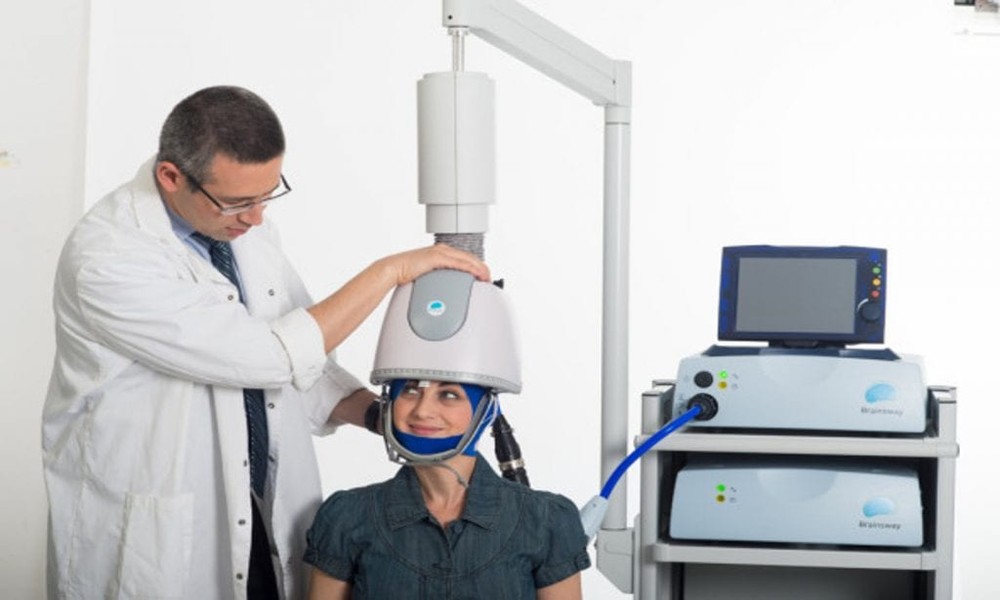
Magnetic therapy is a non-invasive treatment that does not require surgery or major medication changes. The treatment uses magnetic pulses applied to the scalp while the patient remains awake and comfortable. This method allows patients to return to normal activities after each session. Hence, many mental health professionals recommend this treatment because it provides support without major medical procedures or long recovery periods after treatment sessions.
Supports Anxiety Management
Anxiety can cause restlessness, stress, and difficulty focusing on daily tasks. Magnetic therapy helps regulate brain activity linked to stress response and emotional control. As brain activity improves, anxiety symptoms may reduce gradually. So, patients may feel calmer and more in control of their emotions after several treatment sessions. Professional monitoring helps ensure treatment remains safe and effective for long-term anxiety management, support, and recovery planning.
Improves Sleep Patterns
Sleep problems are common among mental health patients and can affect recovery. Magnetic therapy helps regulate brain activity that controls sleep patterns and emotional balance. Better sleep helps improve mood, focus, and daily energy levels. Therefore, improved sleep becomes an important part of mental health recovery. Doctors monitor sleep improvements during treatment to ensure the therapy supports both mental and physical health stability.
Helps When Medication Is Not Effective
Some patients do not see enough improvement with medication alone. Magnetic therapy provides another treatment option for patients who need additional support. This treatment can be used along with counseling and lifestyle changes for better results. Many doctors recommend TMS therapy when other treatments do not provide enough progress. This additional treatment option helps patients continue mental health care with structured professional support and monitoring.
Supports Long-Term Mental Health Care
Mental health treatment requires long-term planning and professional support. Magnetic therapy can be part of a long-term mental health care plan that includes therapy and lifestyle changes. Regular sessions and monitoring help maintain emotional balance and mental stability. Hence, long-term care planning helps patients maintain progress and reduce the chances of symptom return while improving overall quality of life and emotional health stability.
Magnetic therapy provides a structured and non-invasive option for mental health treatment. It supports brain activity, improves mood, helps with sleep, and reduces anxiety and depression symptoms. Patients who need additional support beyond medication may benefit from this treatment. Professional guidance and regular sessions improve treatment results and patient stability. Magnetic therapy continues to support mental health recovery and helps patients build a more stable and balanced life.
