

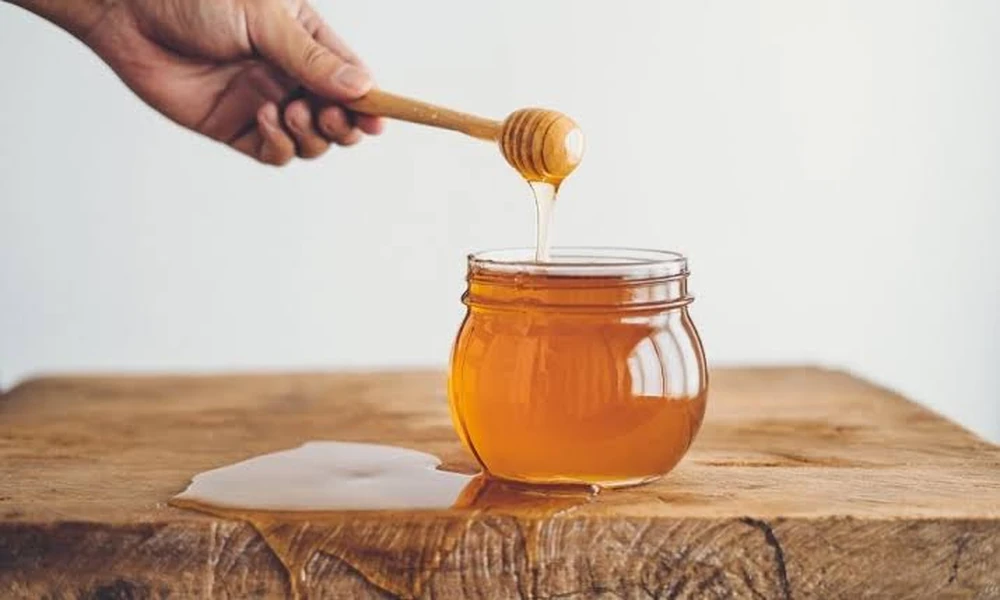
A jar of honey can keep its natural flavor and texture for a long time, but the wrong storage habits may shorten its quality. Many people place honey in the refrigerator, leave the lid loose, or store it near heat without realizing how these choices affect the product over time. Small mistakes can lead to faster crystallization, unwanted moisture, or changes in consistency. This article explains the best ways to store honey, avoid common storage problems, and keep every jar fresh and pure for everyday use.
Choose the Best Storage Location
A cool, dry pantry is the best place to store Native Texas Wildflower Honey. Keep the jar away from direct sunlight, ovens, dishwashers, or windows where temperatures rise throughout the day. Honey does not need refrigeration because cold temperatures encourage crystallization, making it thicker and harder to pour. During hot Texas summers, avoid storing honey in garages, outdoor kitchens, or other areas that experience large temperature swings, since a stable indoor environment helps preserve its natural quality.
Use the Right Container
The original sealed container is usually the best choice because it protects honey from moisture and outside odors. Glass containers help preserve flavor because they do not absorb odors as some plastics can over long periods. If food-grade plastic is used, it should be clean, dry, and tightly sealed before storage.
Simple storage habits also make a difference:
- Keep the lid tightly closed after every use.
- Use a clean, dry spoon each time.
- Avoid introducing water into the jar.
- Wipe the rim before resealing the container.
Even a small amount of moisture may encourage fermentation, which can affect the honey’s aroma, texture, and overall quality.
Handle Crystallized Honey Correctly
Crystallization is a natural process and does not mean honey has spoiled. The speed of crystallization depends on factors such as floral source, natural glucose levels, and storage temperature. Because every wildflower season produces a different nectar blend, Native Texas Wildflower Honey may crystallize differently from one harvest to the next.
If a smoother texture is preferred, place the sealed jar in warm water and allow it to warm gradually before stirring gently. Avoid microwaving the honey or exposing it to very high temperatures because excessive heat can change some of its natural characteristics. Gentle warming restores a pourable consistency while preserving the honey’s natural qualities.
Understand How Long Honey Stays Fresh
Properly stored honey can remain usable for many years because of its naturally low moisture content. Over time, the color may become darker, the texture may thicken, or the flavor may become slightly richer, but these natural changes do not necessarily indicate spoilage. A tightly sealed container helps maintain the honey’s best quality after every use.
Natural changes that are completely normal include:
- Crystallization
- Slight color changes between harvests
- A thicker consistency
- Mild flavor differences over time
These characteristics reflect the natural qualities of raw honey rather than problems with the product.
Avoid Common Storage Mistakes
Many storage problems happen because honey absorbs moisture and odors from its surroundings. Leaving the lid loose, using a wet spoon, storing the jar beside a stove, or placing it in direct sunlight can gradually reduce quality. Refrigerating honey may seem like a good idea, but it usually causes faster crystallization without extending freshness. Checking the storage guidance provided with the product can also help buyers understand the best way to care for each jar based on its natural characteristics and harvesting methods.
Proper storage protects the flavor, aroma, and texture that make raw honey enjoyable long after the jar is opened. Choosing a cool pantry, keeping the container tightly sealed, avoiding moisture, and understanding natural changes such as crystallization all help preserve its quality. Following the storage guidance provided with the product helps preserve its natural characteristics, making every jar easier to enjoy from the first spoonful to the last.
